Additional information
| Full Title | Proteome Informatics 1st Edition |
|---|---|
| Author(s) | |
| Edition | 1st Edition |
| ISBN | 9781782626732, 9781782629573, 9781782624288 |
| Publisher | Royal Society of Chemistry |
| Format | PDF and EPUB |

Original price was: $251.00.$24.99Current price is: $24.99.
Access Proteome Informatics 1st Edition Now. Discount up to 90%
| Full Title | Proteome Informatics 1st Edition |
|---|---|
| Author(s) | |
| Edition | 1st Edition |
| ISBN | 9781782626732, 9781782629573, 9781782624288 |
| Publisher | Royal Society of Chemistry |
| Format | PDF and EPUB |
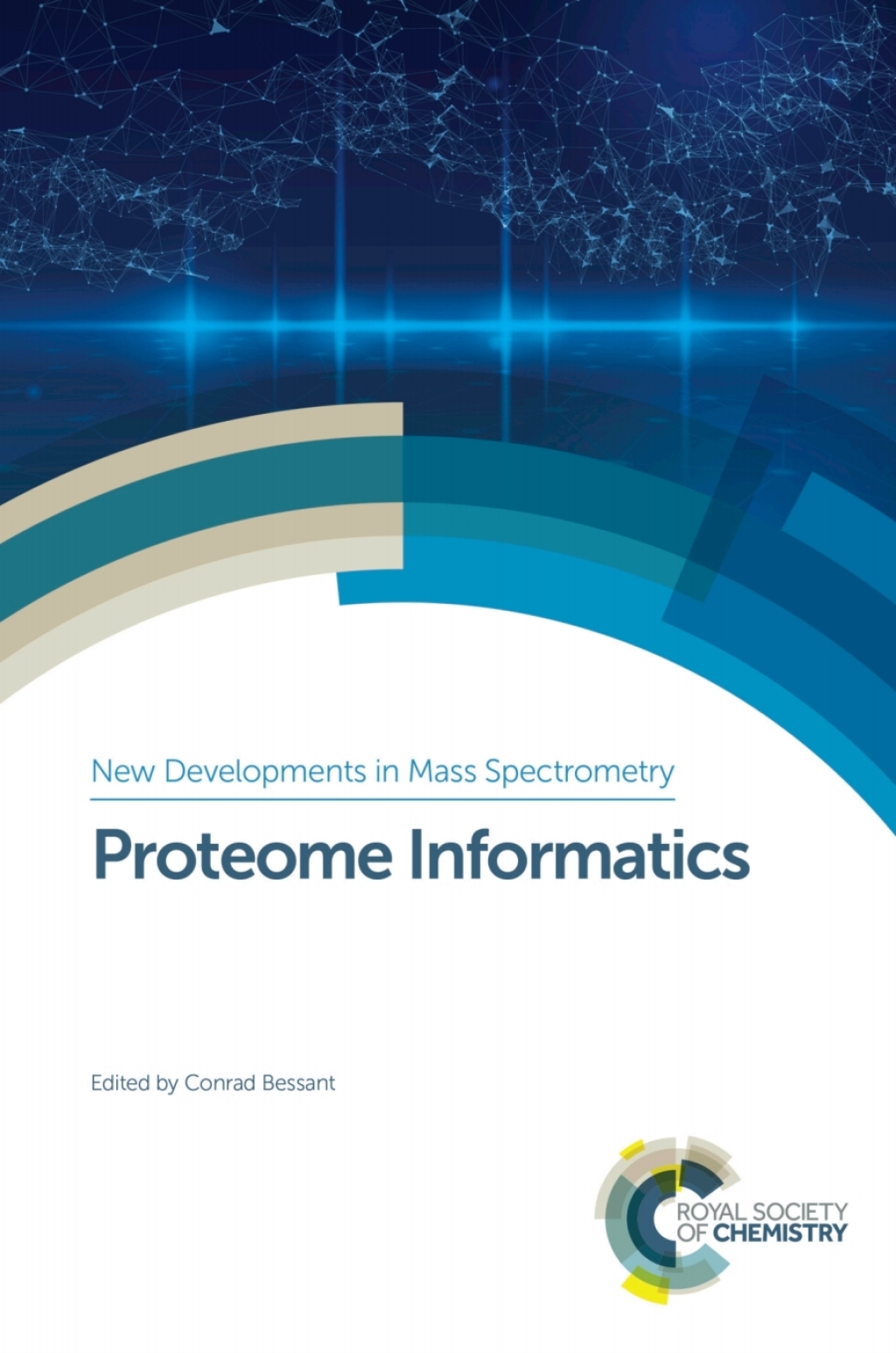
The field of proteomics has developed rapidly over the past decade nurturing the need for a detailed introduction to the various informatics topics that underpin the main liquid chromatography tandem mass spectrometry (LC-MS/MS) protocols used for protein identification and quantitation. Proteins are a key component of any biological system, and monitoring proteins using LC-MS/MS proteomics is becoming commonplace in a wide range of biological research areas. However, many researchers treat proteomics software tools as a black box, drawing conclusions from the output of such tools without considering the nuances and limitations of the algorithms on which such software is based. This book seeks to address this situation by bringing together world experts to provide clear explanations of the key algorithms, workflows and analysis frameworks, so that users of proteomics data can be confident that they are using appropriate tools in suitable ways.
Original price was: $251.00.$24.99Current price is: $24.99.
Access Proteome Informatics 1st Edition Now. Discount up to 90%
| Full Title | Proteome Informatics 1st Edition |
|---|---|
| Author(s) | Conrad Bessant |
| Edition | 1st Edition |
| ISBN | 9781782629573, 9781782626732, 9781782624288 |
| Publisher | Royal Society of Chemistry |
| Format | PDF and EPUB |
The field of proteomics has developed rapidly over the past decade nurturing the need for a detailed introduction to the various informatics topics that underpin the main liquid chromatography tandem mass spectrometry (LC-MS/MS) protocols used for protein identification and quantitation. Proteins are a key component of any biological system, and monitoring proteins using LC-MS/MS proteomics is becoming commonplace in a wide range of biological research areas. However, many researchers treat proteomics software tools as a black box, drawing conclusions from the output of such tools without considering the nuances and limitations of the algorithms on which such software is based. This book seeks to address this situation by bringing together world experts to provide clear explanations of the key algorithms, workflows and analysis frameworks, so that users of proteomics data can be confident that they are using appropriate tools in suitable ways.