Availability: In Stock

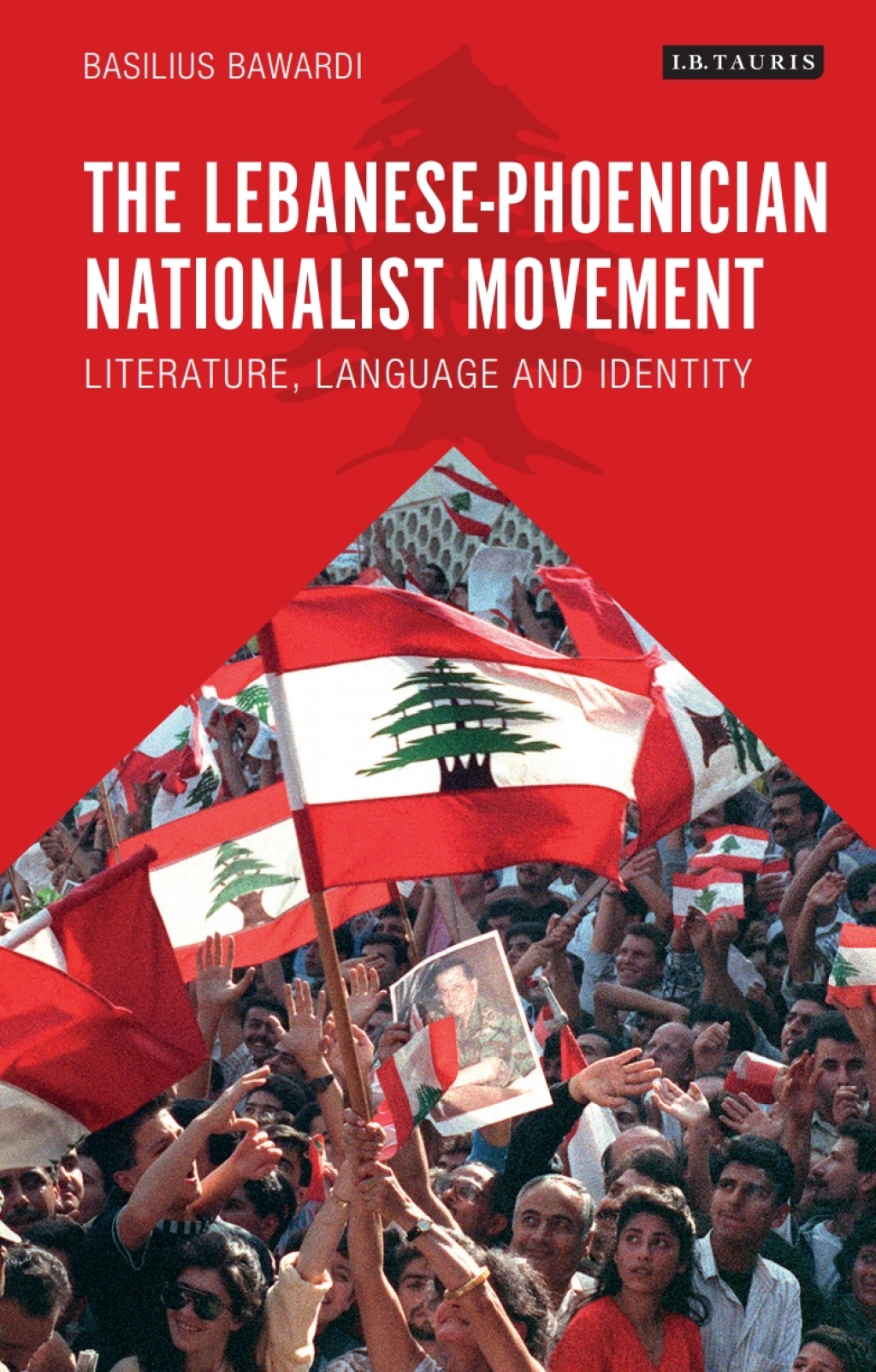
The Lebanese-Phoenician Nationalist Movement Literature, Language and Identity 1st Edition

SKU: 9781786720122

Original price was: $144.00.Current price is: $24.99.

Access The Lebanese-Phoenician Nationalist Movement Literature, Language and Identity 1st Edition Now. Discount up to 90%

Textbook Find promise:

Before checkout, confirm the ISBN, author, publisher, and edition match your course requirements. Secure payment and support are available at support@textbookfind.com.

Additional information

Full Title

The Lebanese-Phoenician Nationalist Movement Literature, Language and Identity 1st Edition

Author(s)

Basilius Bawardi

Edition

1st Edition

ISBN

9781786720122, 9781784532376

Publisher

I.B. Tauris & Co Ltd

Format

PDF and EPUB

Description

The question of belonging has formed the basis of the political, religious and cultural tensions in Lebanon, to the point that sectarian conflict on the country’s future contributed significantly to the outbreak of civil war in 1975. This book focuses on the development of the Phoenician-Lebanese movement that struggled against the hegemonic status of Arabic language and culture. The Phoenician-Lebanese were a predominantly Maronite Christian group who attempted to remove themselves from the Muslim and Arab world throughout the twentieth century. Their demands for self-definition as a nation and their desire to establish their own culture were rooted in the concept of their ancient Phoenician past. Basilius Bawardi examines four prominent authors who formed the basis on which all engaged so-called Phoenician literature was built: Sharl Qurm, Sa’id ‘Aql, Mayy Murr and Muris ‘Awwad. The literary corpus of these writers was a critical component of the political activity that strove to distinguish the native Lebanese inhabitants from their Arab-Muslim neighbours.Studying these authors’ works in both a literary and historical way, Bawardi shows how language was used to promote a specific political agenda and identifies the strong connections between language, literature and nation building. As well as revealing the nationalist struggle as it emerges in prose and poetry, the book discusses the history and formation of modern day Lebanon and why language and literature are so crucial for members of a national minority.

Availability: In Stock

The Lebanese-Phoenician Nationalist Movement Literature, Language and Identity 1st Edition

SKU: 9781786730121

Original price was: $144.00.Current price is: $24.99.

Access The Lebanese-Phoenician Nationalist Movement Literature, Language and Identity 1st Edition Now. Discount up to 90%

Textbook Find promise:

Before checkout, confirm the ISBN, author, publisher, and edition match your course requirements. Secure payment and support are available at support@textbookfind.com.

Additional information

Full Title

The Lebanese-Phoenician Nationalist Movement Literature, Language and Identity 1st Edition

Author(s)

Basilius Bawardi

Edition

1st Edition

ISBN

9781786730121, 9781784532376

Publisher

I.B. Tauris & Co Ltd

Format

PDF and EPUB

Description

The question of belonging has formed the basis of the political, religious and cultural tensions in Lebanon, to the point that sectarian conflict on the country’s future contributed significantly to the outbreak of civil war in 1975. This book focuses on the development of the Phoenician-Lebanese movement that struggled against the hegemonic status of Arabic language and culture. The Phoenician-Lebanese were a predominantly Maronite Christian group who attempted to remove themselves from the Muslim and Arab world throughout the twentieth century. Their demands for self-definition as a nation and their desire to establish their own culture were rooted in the concept of their ancient Phoenician past. Basilius Bawardi examines four prominent authors who formed the basis on which all engaged so-called Phoenician literature was built: Sharl Qurm, Sa’id ‘Aql, Mayy Murr and Muris ‘Awwad. The literary corpus of these writers was a critical component of the political activity that strove to distinguish the native Lebanese inhabitants from their Arab-Muslim neighbours.Studying these authors’ works in both a literary and historical way, Bawardi shows how language was used to promote a specific political agenda and identifies the strong connections between language, literature and nation building. As well as revealing the nationalist struggle as it emerges in prose and poetry, the book discusses the history and formation of modern day Lebanon and why language and literature are so crucial for members of a national minority.