Description
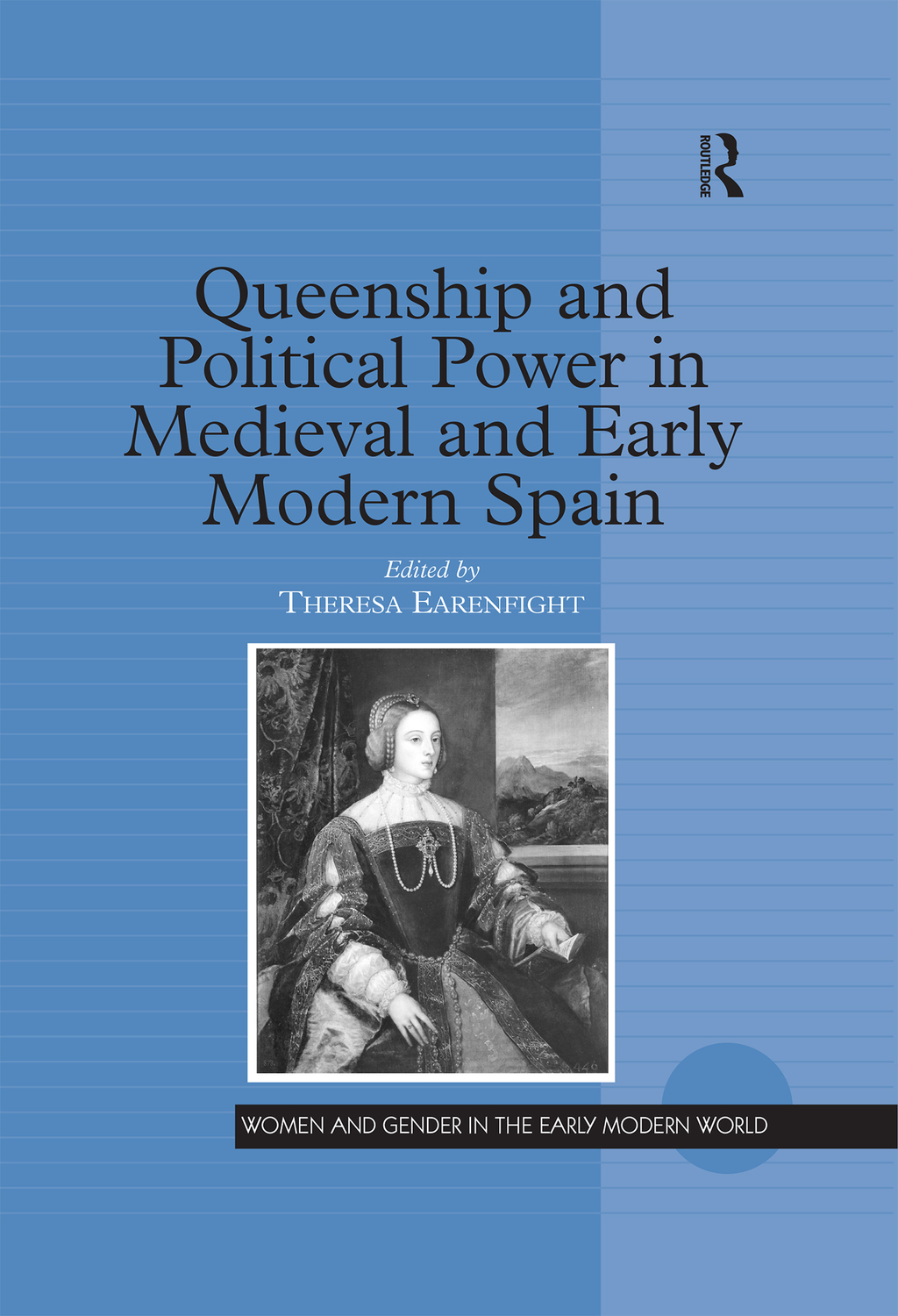
Unlike empresses in Germany and queens in England and France, the lives and political careers of most Iberian queens remain largely unknown to non-specialists. In this collection, Theresa Earenfight brings together new research on medieval and early modern Spanish queens that highlights the distinctive political culture that resulted in forms of queenship similar to, yet also substantially different from, that of northern Europe. The essays consider three aspects of queenship and politics: the institutional foundations and practice of politics, the politics of religion and religious devotion, and the literary and artistic representations of queenship and power. Late medieval queens, because they often occupied prominent and powerful offices such as the regency in Castile and Portugal and the Lieutenancy in the Crown of Aragon, exemplify a unique form of queenship that can best be described as a political partnership. Habsburg queens and empresses, often excluded from such official political roles, were less publicly visible but their power as partner to the king, although shrouded, remains potent. Their political careers were the result of two forces: first, military circumstances brought about by territorial expansion, conquest, and second, a political culture that did not explicitly prohibit queens from active participation in the governance of the realm. The essays in this collection-by both newer and well established scholars-demonstrate the range and depth of current research on Iberian queenship, and prompt a re-examination of long-held assumptions about women and the exercise of power in pre-modern Spain.