Additional information
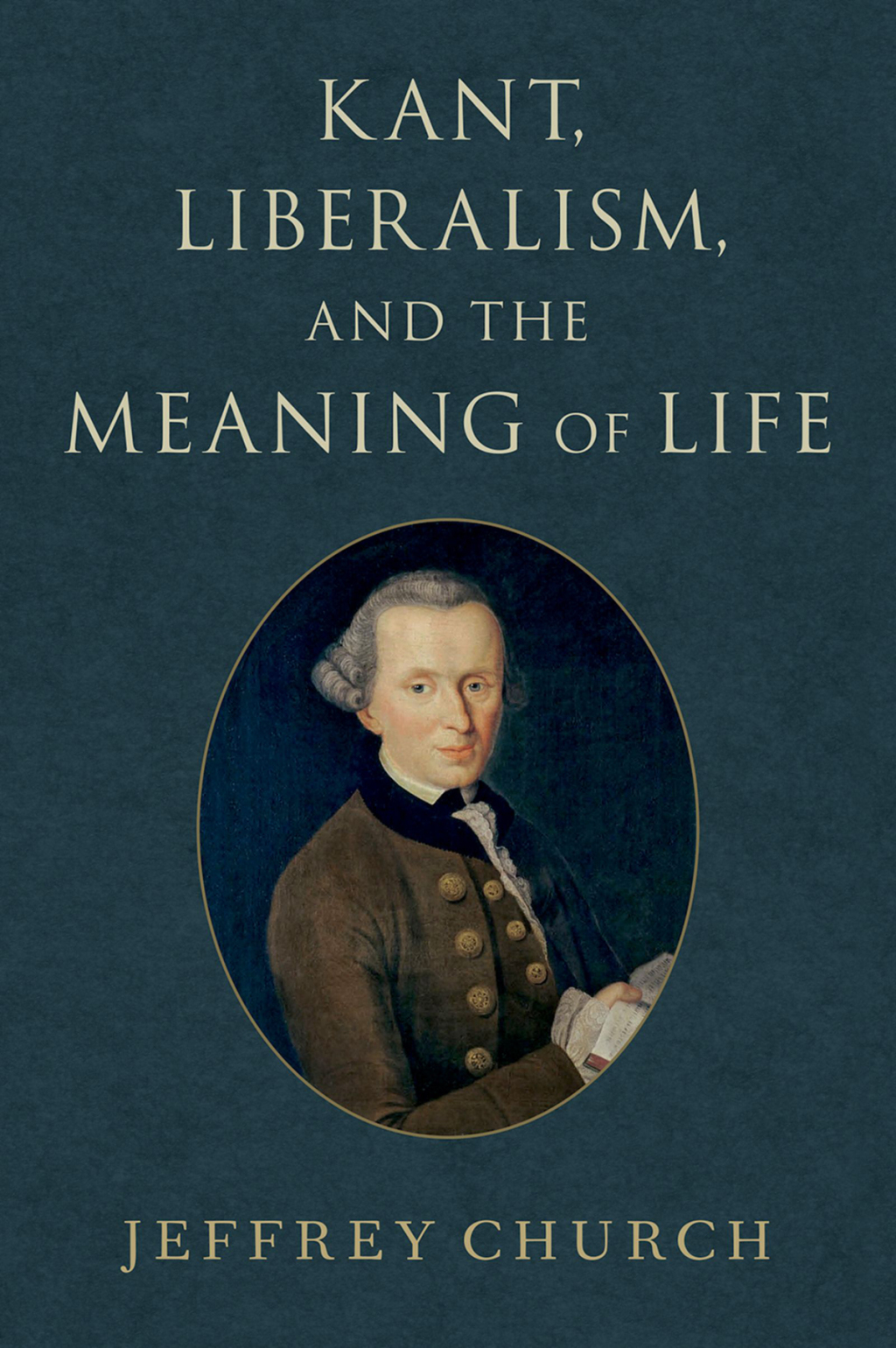
| Full Title | Kant, Liberalism, and the Meaning of Life |
|---|---|
| Author(s) | Jeffrey Church |
| Edition | |
| ISBN | 9780197633205, 9780197633182, 9780197633199 |
| Publisher | Oxford University Press |
| Format | PDF and EPUB |

Original price was: $55.99.$24.99Current price is: $24.99.
Access Kant, Liberalism, and the Meaning of Life Now. Discount up to 90%
Before checkout, confirm the ISBN, author, publisher, and edition match your course requirements. Secure payment and support are available at support@textbookfind.com.
| Full Title | Kant, Liberalism, and the Meaning of Life |
|---|---|
| Author(s) | Jeffrey Church |
| Edition | |
| ISBN | 9780197633205, 9780197633182, 9780197633199 |
| Publisher | Oxford University Press |
| Format | PDF and EPUB |
In the wake of populist challenges throughout the past decade in the U.S. and Europe, liberalism has been described as elitist and out of touch, concerned with protecting and promoting material interests with an orientation that is pragmatic, legalistic, and technocratic. Simultaneously, liberal governments have become increasingly detached from the middle class and its moral needs for purpose and belonging. If liberalism cannot provide spiritual sustenance, individuals will look elsewhere for it, especially in illiberal forms of populism. In Kant, Liberalism, and the Meaning of Life, Jeffrey Church addresses the “meaning deficit” in contemporary liberal societies. Focusing on Immanuel Kant’s largely neglected early lectures on anthropology from the 1760s and 1770s, Church argues that Kant’s work can serve as a basis for a more meaningful liberalism, one that conceives of freedom and equality for all as a moral vocation of citizens and institutions. Church also asserts that Kant’s early view of the meaning of life has important implications for understanding his political theory. Kant saw liberal community as something that helps us realize our destiny on earth as the distinctively free creatures we are. Liberalism, then, is not elitist but a participatory project of all members of society. It is not concerned primarily with material things but with our moral destiny. It is not pragmatic but principled.Church holds that Kant’s liberalism rests on a view of the meaning of human existence, and so analyzes Kant’s view of the meaning of life and its application to his politics. In particular, Church contends that a fundamental concern included in Kant’s liberalism, largely unrecognized by scholars, is to foster the meaning of life for citizens of liberal republican orders. At the same time, Church applies Kant’s views of the meaning of life to contemporary problems in liberalism. In particular, he argues that Kant’s view of a meaningful liberalism can provide a counterweight to the recent rise of illiberal nationalist or religious forms of community that seem attractive to liberal citizens hungering for meaning in a disenchanted world. Compelling and ambitious, Jeffrey Church provides the first extended treatment of Kant’s understanding of the meaning of life and a powerful alternative to procedural liberalism.