
Availability: In Stock

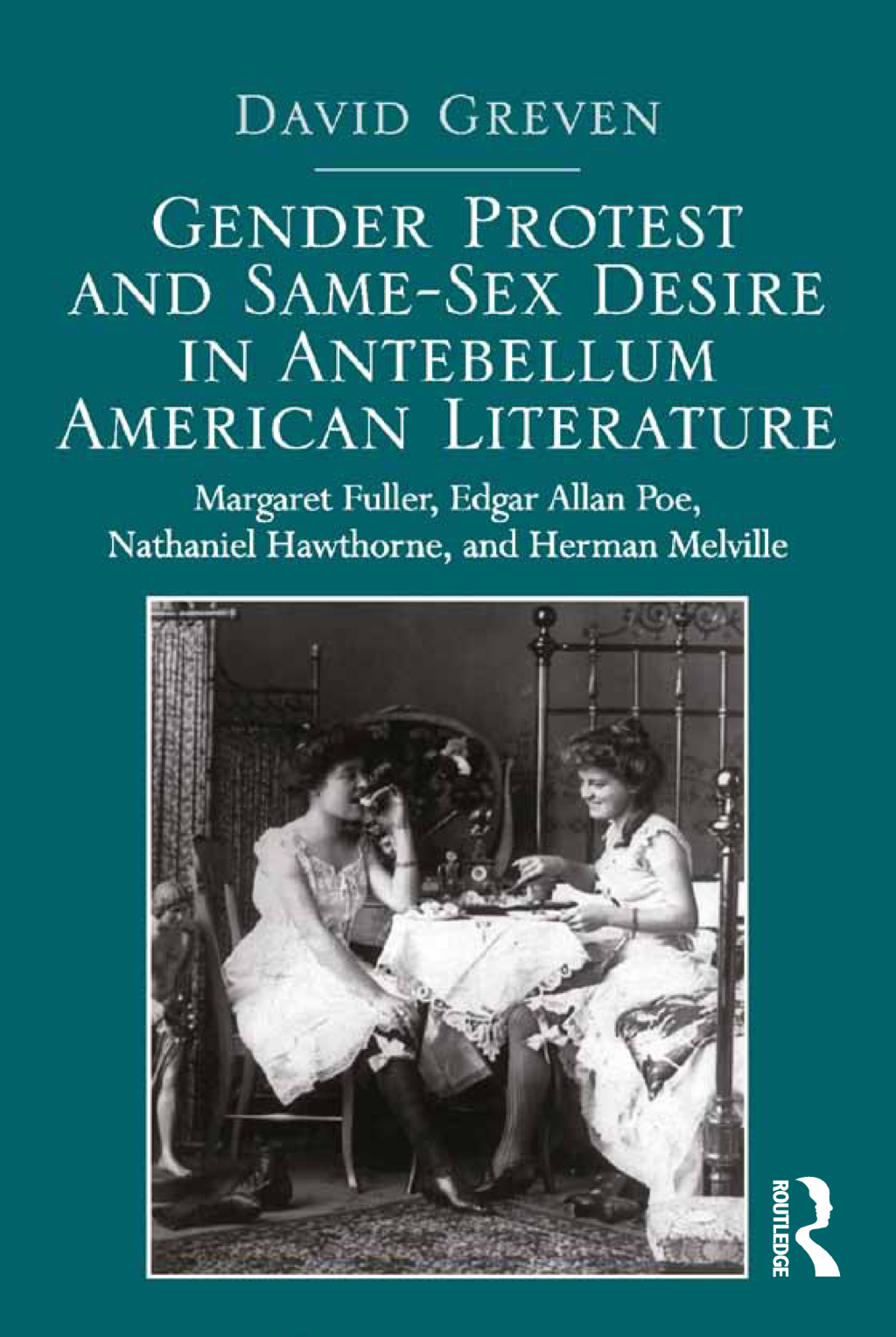
Gender Protest and Same-Sex Desire in Antebellum American Literature Margaret Fuller, Edgar Allan Poe, Nathaniel Hawthorne, and Herman Melville 1st Edition

SKU: 9781317130116

Original price was: $69.99.Current price is: $24.99.

Access Gender Protest and Same-Sex Desire in Antebellum American Literature Margaret Fuller, Edgar Allan Poe, Nathaniel Hawthorne, and Herman Melville 1st Edition Now. Discount up to 90%

Textbook Find promise:

Before checkout, confirm the ISBN, author, publisher, and edition match your course requirements. Secure payment and support are available at support@textbookfind.com.

Additional information

Full Title

Gender Protest and Same-Sex Desire in Antebellum American Literature Margaret Fuller, Edgar Allan Poe, Nathaniel Hawthorne, and Herman Melville 1st Edition

Author(s)

David Greven

Edition

1st Edition

ISBN

9781317130116, 9781138273719, 9781315584072, 9781409469940, 9781409469933, 9781317130109, 9781317130123, 9781409469926

Publisher

Routledge

Format

PDF and EPUB

Description

Expanding our understanding of the possibilities and challenges inherent in the expression of same-sex desire before the Civil War, David Greven identifies a pattern of what he calls ’gender protest’ and sexual possibility recurring in antebellum works. He suggests that major authors such as Margaret Fuller, Edgar Allan Poe, Herman Melville, and Nathaniel Hawthorne consciously sought to represent same-sex desire in their writings. Focusing especially on conceptions of the melancholia of gender identification and shame, Greven argues that same-sex desire was inextricably enmeshed in scenes of gender-role strain, as exemplified in the extent to which The Narrative of Arthur Gordon Pym depicts masculine identity adrift and in disarray. Greven finds similarly compelling representations of gender protest in Fuller’s exploration of the crisis of gendered identity in Summer on the Lakes, in Melville’s representation of Redburn’s experience of gender nonconformity, and in Hawthorne’s complicated delineation of desire in The Scarlet Letter. As Greven shows, antebellum authors not only took up the taboo subjects of same-sex desire and female sexuality, but were adept in their use of a variety of rhetorical means for expressing the inexpressible.