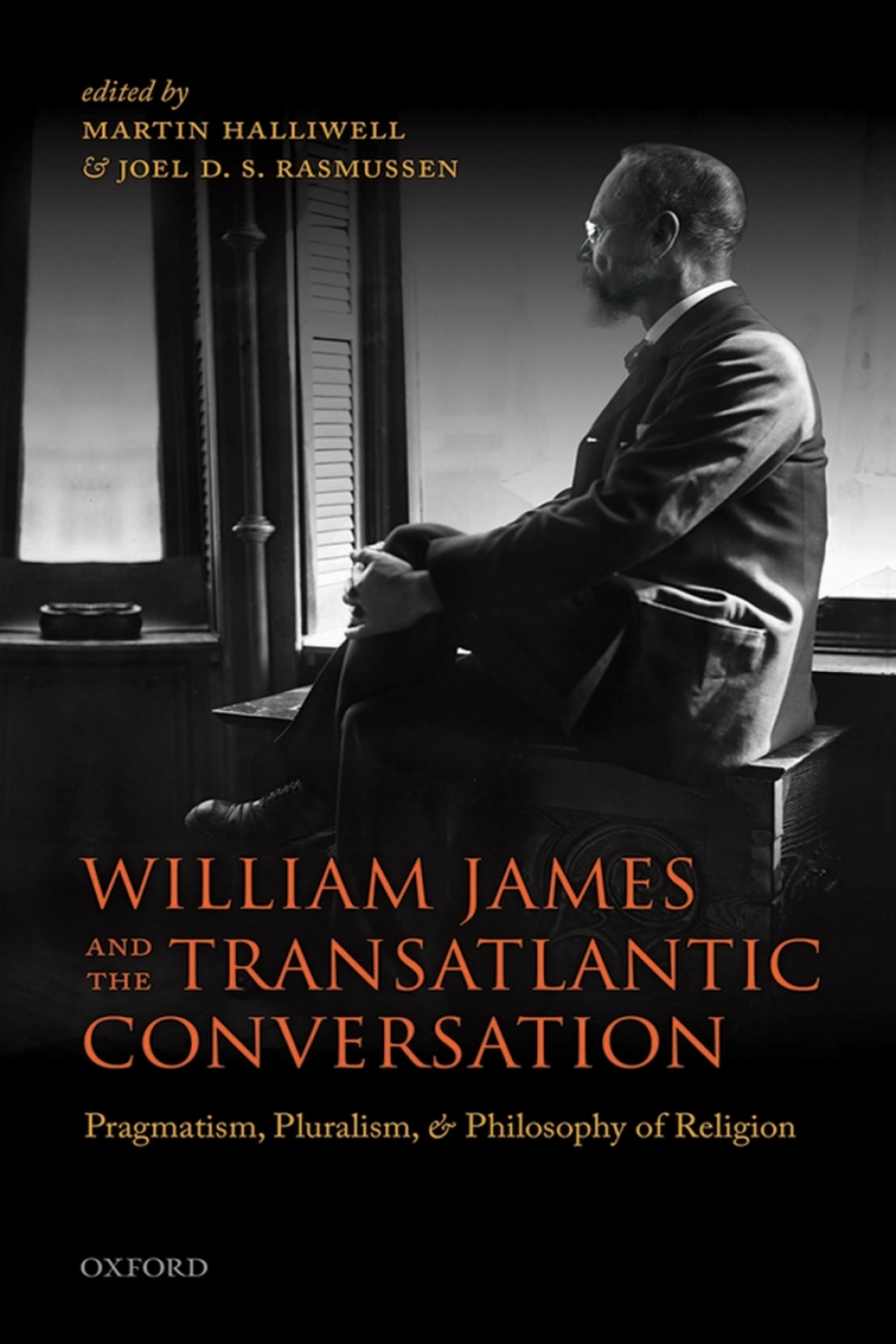
Description
William James and the Transatlantic Conversation focuses on the American philosopher and psychologist William James (1842-1910) and his engagements with European thought, together with the multidisciplinary reception of his work on both sides of the Atlantic since his death. James’s encounters with European thinkers and ideas ran throughout his early life and across his distinguished international career, in which he participated in a number of transatlantic conversations in science, philosophy, psychology, religion, ethics, and literature. This volume explores and extends these conversations by drawing together twelve scholars from a range of disciplines on both sides of the Atlantic to assess James’s work in all its variety, to trace his multidisciplinary reception across the twentieth century, and to evaluate his legacy in the twenty-first century. The first half of the book considers James’s many intellectual influences and the second half focuses on A Pluralistic Universe (1909), the published text of his 1908 Hibbert Lectures at Oxford University, as a key text for assessing James’s transatlantic conversations. The pluralistic transatlantic currents addressed in the first part of the volume enable a fuller understanding of James’s philosophy of pluralism that forms the explicit focus for the second part. Taken as a collection, the volume is unique in scholarship on James in generating transatlantic, interdisciplinary, and cross-generational dialogues, and it repositions James as an important international thinker and arguably the most distinctive American intellectual figure of the nineteenth and twentieth centuries.