Availability: In Stock

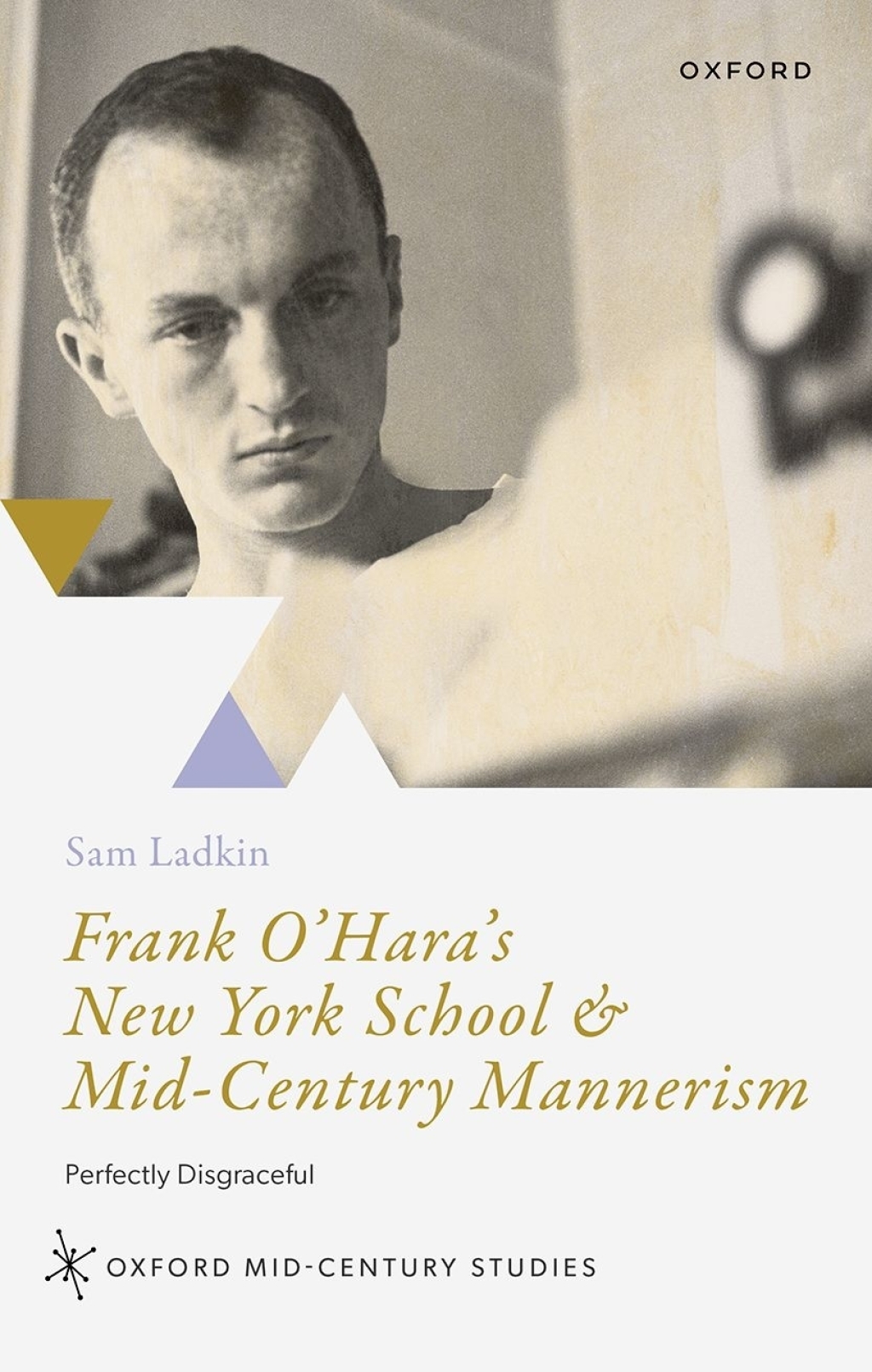
Frank O’Hara’s New York School & Mid-Century Mannerism Perfectly Disgraceful 1st Edition

SKU: 9780192692030

Original price was: $99.99.Current price is: $24.99.

Access Frank O’Hara’s New York School & Mid-Century Mannerism Perfectly Disgraceful 1st Edition Now. Discount up to 90%

Additional information

Full Title

Frank O\'Hara\'s New York School & Mid-Century Mannerism Perfectly Disgraceful 1st Edition

Author(s)

Sam Ladkin

Edition

1st Edition

ISBN

9780192692030, 9780192866721, 9780192692047, 9780191957635

Publisher

OUP Oxford

Format

PDF and EPUB

Description

Frank O’Hara’s New York School & Mid-Century Mannerism offers a ground-breaking account of the poet Frank O’Hara and the extraordinary cultural blossoming O’Hara catalysed, namely the mid-century experimental and multi-disciplinary arts scene, the New York School. Fresh accounts of canonical figures (Jackson Pollock, Willem de Kooning, George Balanchine, Fred Astaire) and original work on those too little discussed (Edwin Denby, Elaine de Kooning) resound with analysis of queer iconology from Michelangelo’s David to James Dean. Sam Ladkin argues that O’Hara and the New York School revive Mannerism. Turning away from interpretations of O’Hara’s Transcendentalism, Romanticism, or pastoralism, ‘mid-century Mannerism’ helps explain O’Hara’s self-conscious style, its play with sweet and grand grace, contortion of conventional measure, risks with affectation, conceits, nonchalance, and scrambling of high/low culture. Mannerism clarifies the sociability implicit in the formal innovations of the New York School. The work also studies the kinship between art mediums by retooling rhetoric and recovering a perennial manneristic tendency beyond period style. Genealogies of grace, the figura serpentinata, sprezzatura, ornatus, and the marvellous exemplify qualities exhibited by O’Hara’s New York School. Ladkin relates the essential role of dance in the New York School. O’Hara’s reception has been tied to painting, predominantly Abstract Expressionism. He was also, however, a balletomane, a fan, for whom ballet was ‘made up exclusively of qualities which other arts only aspire to in order to be truly modern.’ Relaying ballet’s Mannerist origins and aesthetics, and demonstrating its influence alongside Broadway and Hollywood musical-dance on art and poetry, completes the portrait of mid-century modernity.

Availability: In Stock

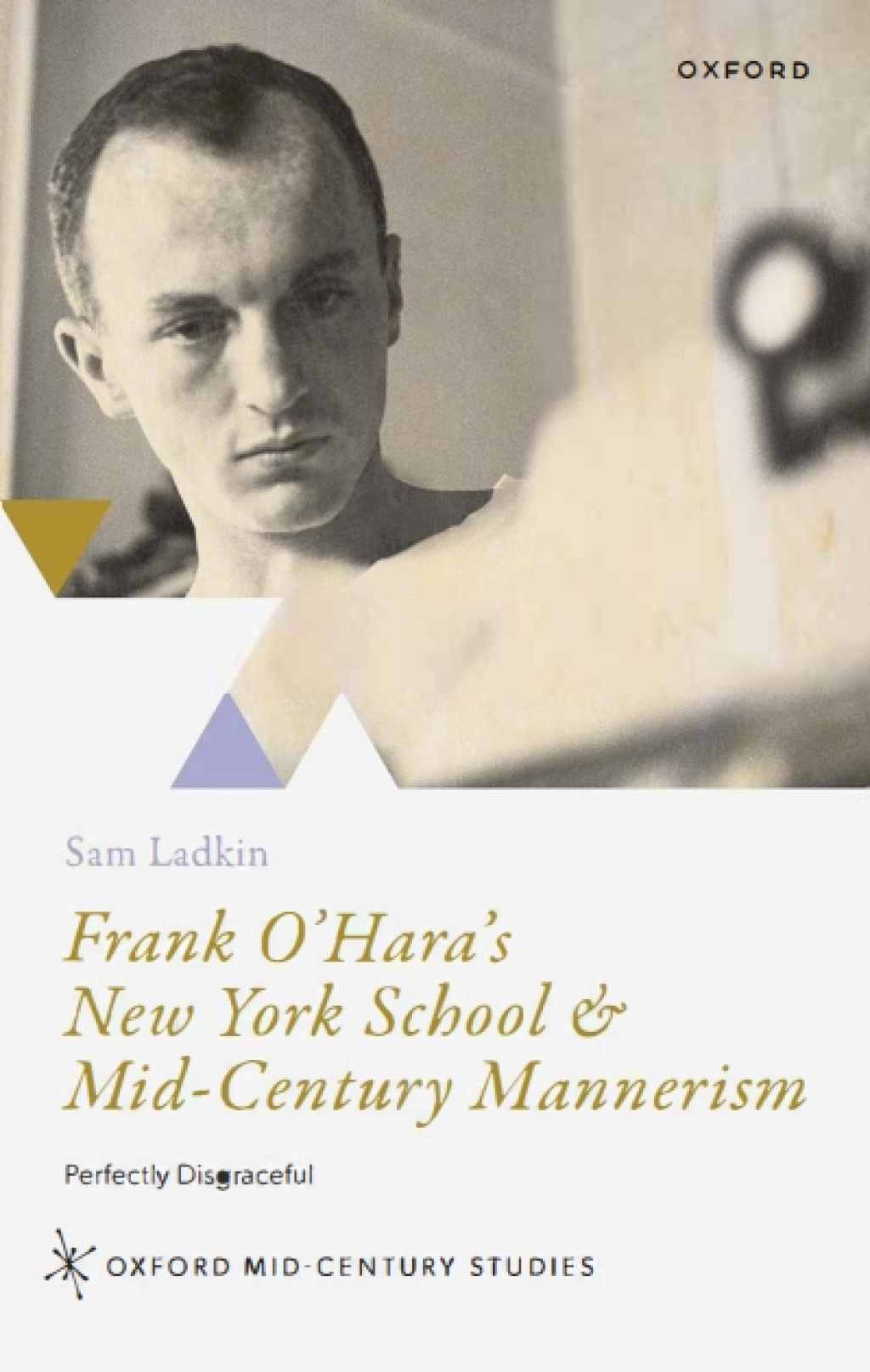
Frank O’Hara’s New York School & Mid-Century Mannerism Perfectly Disgraceful 1st Edition

SKU: 9780192692047

Original price was: $99.99.Current price is: $24.99.

Access Frank O’Hara’s New York School & Mid-Century Mannerism Perfectly Disgraceful 1st Edition Now. Discount up to 90%

Additional information

Full Title

Frank O\'Hara\'s New York School & Mid-Century Mannerism Perfectly Disgraceful 1st Edition

Author(s)

Sam Ladkin

Edition

1st Edition

ISBN

9780192692047, 9780192866721, 9780192692030, 9780191957635

Publisher

OUP Oxford

Format

PDF and EPUB

Description

Frank O’Hara’s New York School & Mid-Century Mannerism offers a ground-breaking account of the poet Frank O’Hara and the extraordinary cultural blossoming O’Hara catalysed, namely the mid-century experimental and multi-disciplinary arts scene, the New York School. Fresh accounts of canonical figures (Jackson Pollock, Willem de Kooning, George Balanchine, Fred Astaire) and original work on those too little discussed (Edwin Denby, Elaine de Kooning) resound with analysis of queer iconology from Michelangelo’s David to James Dean. Sam Ladkin argues that O’Hara and the New York School revive Mannerism. Turning away from interpretations of O’Hara’s Transcendentalism, Romanticism, or pastoralism, ‘mid-century Mannerism’ helps explain O’Hara’s self-conscious style, its play with sweet and grand grace, contortion of conventional measure, risks with affectation, conceits, nonchalance, and scrambling of high/low culture. Mannerism clarifies the sociability implicit in the formal innovations of the New York School. The work also studies the kinship between art mediums by retooling rhetoric and recovering a perennial manneristic tendency beyond period style. Genealogies of grace, the figura serpentinata, sprezzatura, ornatus, and the marvellous exemplify qualities exhibited by O’Hara’s New York School. Ladkin relates the essential role of dance in the New York School. O’Hara’s reception has been tied to painting, predominantly Abstract Expressionism. He was also, however, a balletomane, a fan, for whom ballet was ‘made up exclusively of qualities which other arts only aspire to in order to be truly modern.’ Relaying ballet’s Mannerist origins and aesthetics, and demonstrating its influence alongside Broadway and Hollywood musical-dance on art and poetry, completes the portrait of mid-century modernity.