Description
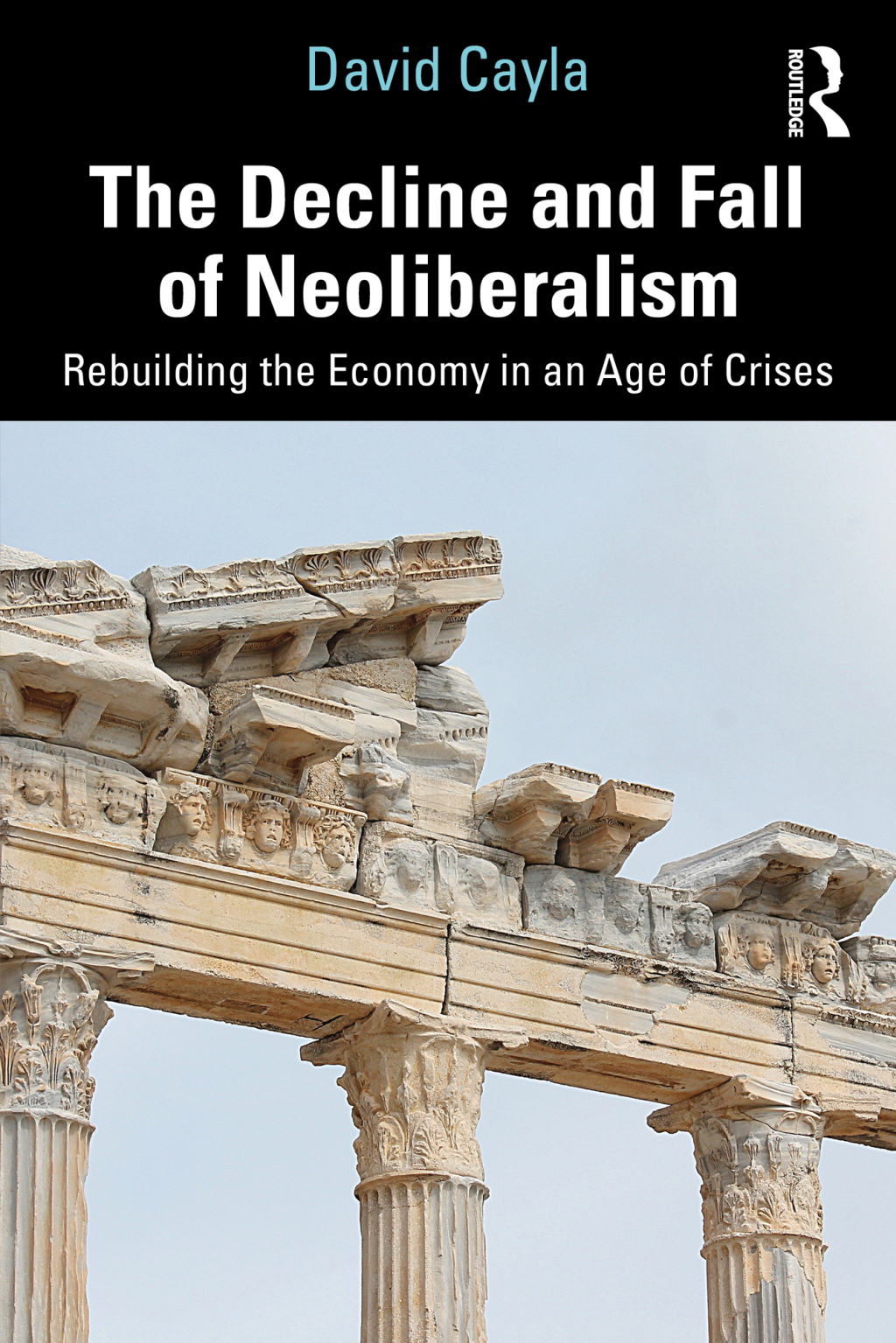
The Decline and Fall of Neoliberalism argues that the neoliberal era – starting after the collapse of the Bretton Woods system – is coming to an end. In the wake of the financial and economic crisis of 2008 and the outbreak of the pandemic in 2019, the doctrine outlined by monetarists appears to offer an inadequate response to the economic instability that characterises our contemporary world. To deal with the fallout of these crises, central banks have stepped in as major regulators of the economic system through massive interventions to support both financial markets and public spending, marking a clean break with the traditional conception of their role as depoliticised actors. Is the resurgence of inflation a consequence of this reckless strategy over which they seem to have lost control? Or is it rather rooted in an outdated understanding of money and monetary policy? One thing is certain: a profound change in policy is emerging. The growing turmoil in the global economy and the environmental challenges that face us demand an urgent and comprehensive rethinking of the economic role of the state. This book further develops the analysis presented in Populism and Neoliberalism and takes a closer look at the nature of neoliberalism as a political doctrine. Through this detailed description, it identifies the difficulties within economic thought that prevent it from responding appropriately to contemporary challenges. Drawing from the lessons of history, it proposes a renewed relationship between the state and the market that strikes a balance between planning and self-regulation. A post-neoliberal world is about to dawn, but its shape can still be determined by the path we choose to follow.