Additional information
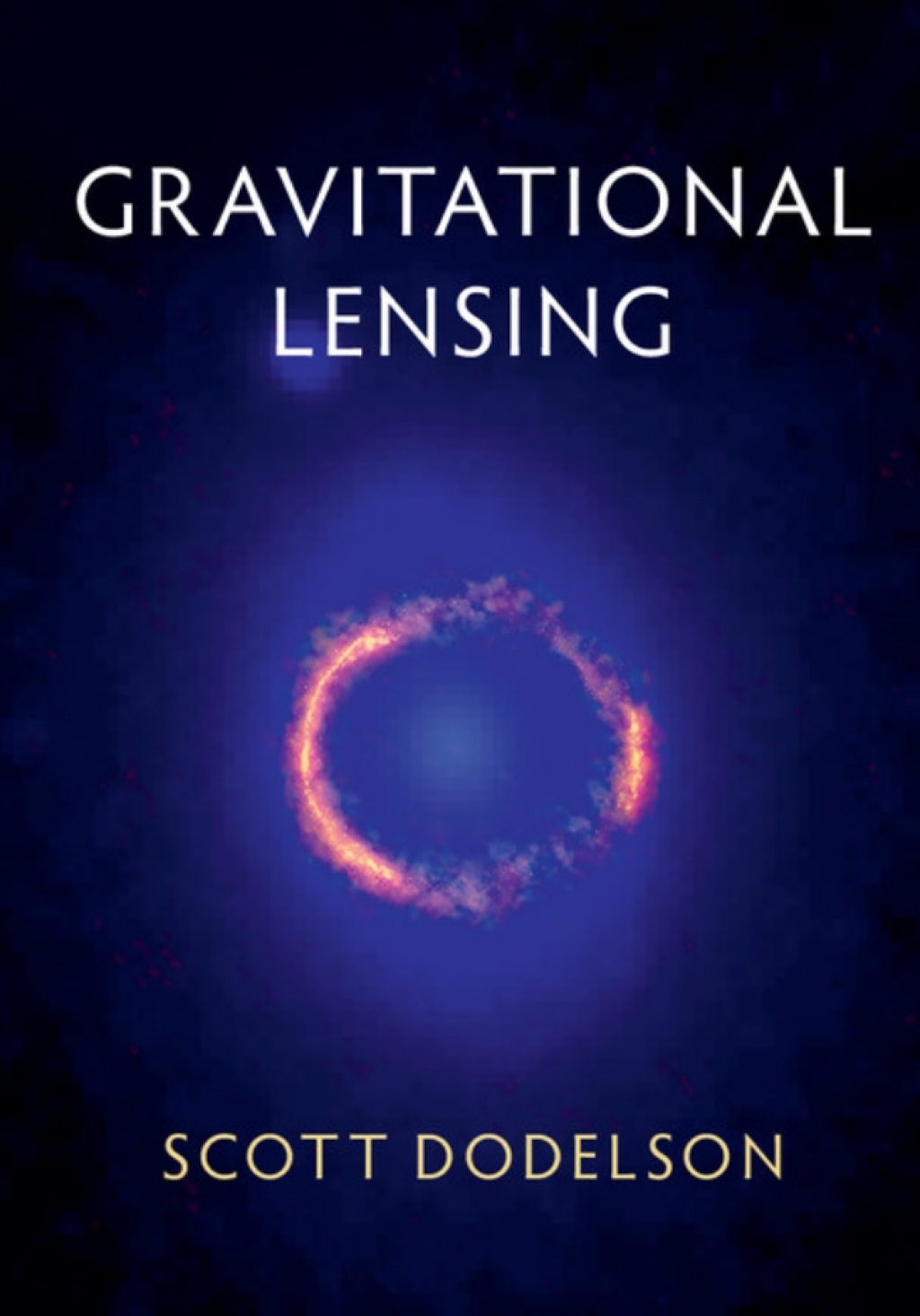
| Full Title | Gravitational Lensing |
|---|---|
| Author(s) | Scott Dodelson |
| Edition | |
| ISBN | 9781108162333, 9781107129764 |
| Publisher | Cambridge University Press |
| Format | PDF and EPUB |

Original price was: $57.99.$24.99Current price is: $24.99.
Access Gravitational Lensing Now. Discount up to 90%
| Full Title | Gravitational Lensing |
|---|---|
| Author(s) | Scott Dodelson |
| Edition | |
| ISBN | 9781108162333, 9781107129764 |
| Publisher | Cambridge University Press |
| Format | PDF and EPUB |
Gravitational lensing is a consequence of general relativity, where the gravitational force due to a massive object bends the paths of light originating from distant objects lying behind it. Using very little general relativity and no higher level mathematics, this text presents the basics of gravitational lensing, focusing on the equations needed to understand the phenomena. It then applies them to a diverse set of topics, including multiply imaged objects, time delays, extrasolar planets, microlensing, cluster masses, galaxy shape measurements, cosmic shear, and lensing of the cosmic microwave background. This approach allows undergraduate students and others to get quickly up to speed on the basics and the important issues. The text will be especially relevant as large surveys such as LSST and Euclid begin to dominate the astronomical landscape. Designed for a one semester course, it is accessible to anyone with two years of undergraduate physics background.
Original price was: $60.99.$24.99Current price is: $24.99.
Access Gravitational Lensing Now. Discount up to 90%
| Full Title | Gravitational Lensing |
|---|---|
| Author(s) | Scott Dodelson |
| Edition | |
| ISBN | 9781108161213, 9781107129764 |
| Publisher | Cambridge University Press |
| Format | PDF and EPUB |
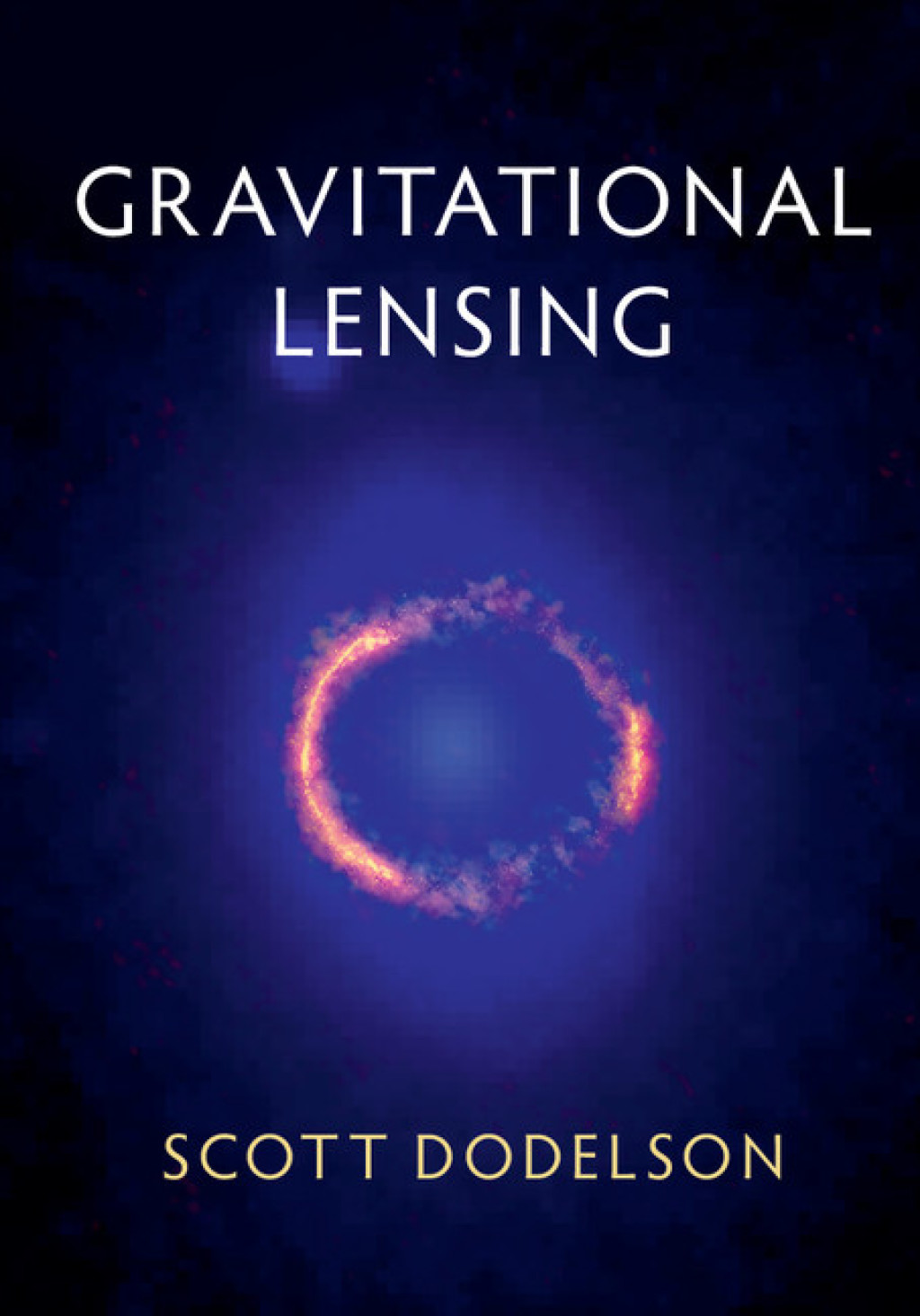
Gravitational lensing is a consequence of general relativity, where the gravitational force due to a massive object bends the paths of light originating from distant objects lying behind it. Using very little general relativity and no higher level mathematics, this text presents the basics of gravitational lensing, focusing on the equations needed to understand the phenomena. It then applies them to a diverse set of topics, including multiply imaged objects, time delays, extrasolar planets, microlensing, cluster masses, galaxy shape measurements, cosmic shear, and lensing of the cosmic microwave background. This approach allows undergraduate students and others to get quickly up to speed on the basics and the important issues. The text will be especially relevant as large surveys such as LSST and Euclid begin to dominate the astronomical landscape. Designed for a one semester course, it is accessible to anyone with two years of undergraduate physics background.