
Availability: In Stock

The Global Climate Regime and Transitional Justice 1st Edition

SKU: 9781351854917

Original price was: $55.99.Current price is: $24.99.

Access The Global Climate Regime and Transitional Justice 1st Edition Now. Discount up to 90%

Textbook Find promise:

Before checkout, confirm the ISBN, author, publisher, and edition match your course requirements. Secure payment and support are available at support@textbookfind.com.

Additional information

Full Title

The Global Climate Regime and Transitional Justice 1st Edition

Author(s)

Sonja Klinsky, Jasmina Brankovic

Edition

1st Edition

ISBN

9781351854917, 9780367430221, 9780415786027, 9781315228037, 9781351854900, 9781351854924

Publisher

Routledge

Format

PDF and EPUB

Description

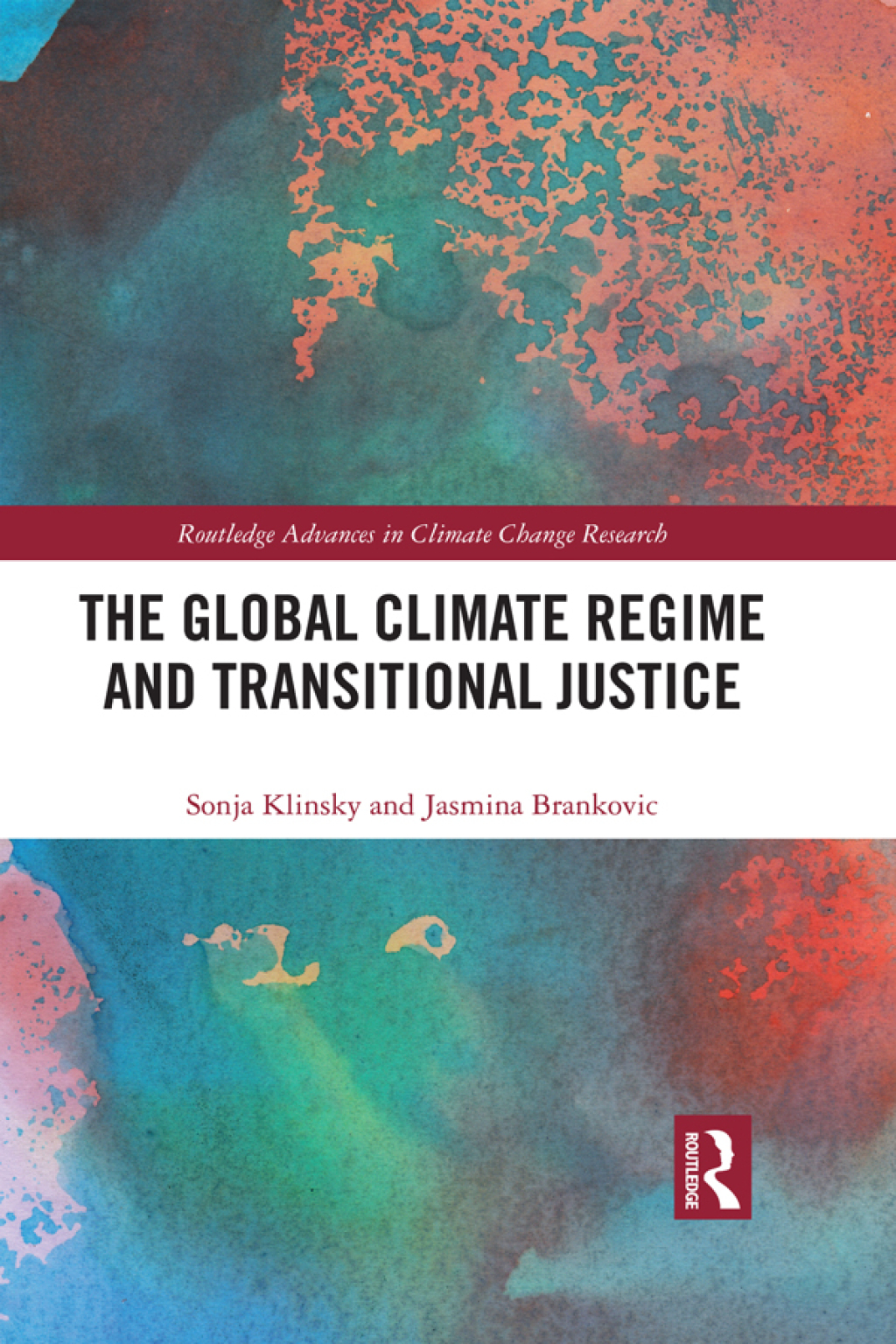
Geopolitical changes combined with the increasing urgency of ambitious climate action have re-opened debates about justice and international climate policy. Mechanisms and insights from transitional justice have been used in over thirty countries across a range of conflicts at the interface of historical responsibility and imperatives for collective futures. However, lessons from transitional justice theory and practice have not been systematically explored in the climate context. The comparison gives rise to new ideas and strategies that help address climate change dilemmas. This book examines the potential of transitional justice insights to inform global climate governance. It lays out core structural similarities between current global climate governance tensions and transitional justice contexts. It explores how transitional justice approaches and mechanisms could be productively applied in the climate change context. These include responsibility mechanisms such as amnesties, legal accountability measures, and truth commissions, as well as reparations and institutional reform. The book then steps beyond reformist transitional justice practice to consider more transformative approaches, and uses this to explore a wider set of possibilities for the climate context. Each chapter presents one or more concrete proposals arrived at by using ideas from transitional justice and applying them to the justice tensions central to the global climate context. By combining these two fields the book provides a new framework through which to understand the challenges of addressing harms and strengthening collective climate action. This book will be of great interest to scholars and practitioners of climate change and transitional justice.